People talk about wound care generically, but the real improvements come from plans tailored to individual needs—especially when those plans are delivered right in a patient’s living room. From chronic diabetic ulcers to post‑surgical wounds, customized care plans help bridge gaps that traditional clinic visits often overlook.
In this article, I’ll take you through the real problems patients face, what goes wrong when wound care isn’t personalized, and how tailored home‑based solutions improve outcomes. I’ll mix data, real stories, and my own experiences to explain why this approach matters now more than ever.
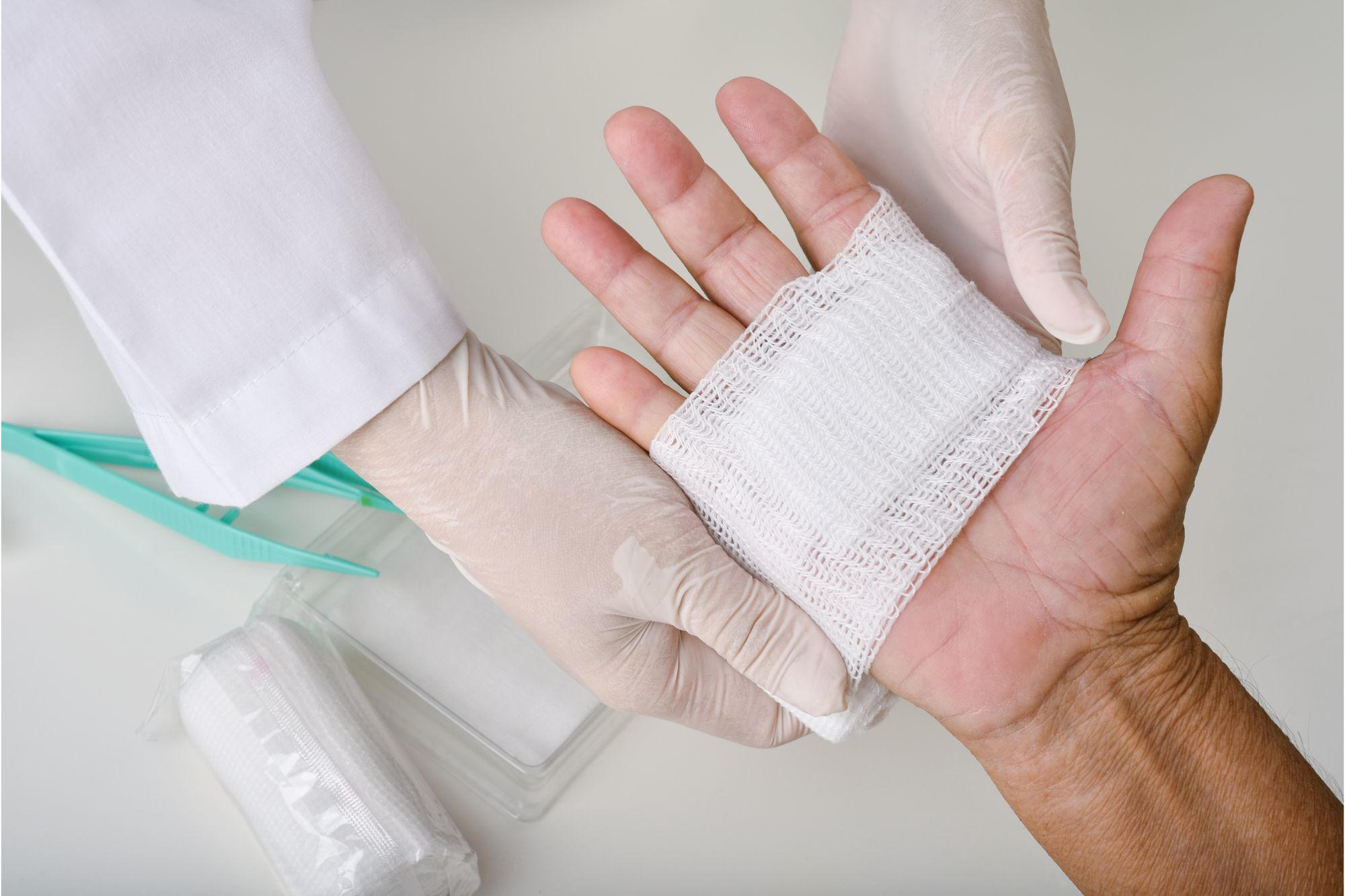
The Problem: One‑Size‑Fits‑All Wound Care Doesn’t Cut It
Many patients suffer more than they should because their wound care isn’t designed for their life. Standard wound care often assumes that everyone heals the same way, but that’s not true. Healing depends on many variables: age, nutrition, mobility, comorbidities like diabetes or vascular disease, accessibility to transportation, and even the home environment.
North America sees an estimated 6.5 million people living with chronic wounds every year, and that number continues to rise. Whether it’s pressure injuries in older adults or diabetic foot ulcers among working‑age adults, wounds that don’t heal quickly can lead to infections, hospitalization, and even amputation. When patients have to travel long distances or wait for clinic appointments, we often see complications that could have been prevented.
Here in Michigan, winters can be brutal, making travel difficult or dangerous. A patient with limited mobility sitting in pain because they missed a clinic visit isn’t just unhappy—they’re at risk. This is where Personalized in‑home wound care solutions Michigan steps in. It confronts the real challenges patients face every day, not just the wounds themselves.
The Agitation: What Happens When Wound Care Fails
I remember one patient in Troy, Michigan, a veteran in his late 60s with recurring leg ulcers. His mobility was limited, and winter weather made every clinic visit a challenge. For months, he bounced between rushed appointments and self‑managed dressing changes. Each week, his wounds worsened.
This isn’t an isolated story. Too many patients struggle with care gaps that slow healing:
Missed appointments mean delayed assessments.
Inconsistent dressing changes allow bacteria to grow.
Lack of personalized care leads to protocols that don’t match the wound type or patient’s lifestyle.
I think about this often because I’ve seen how avoidable many complications are. According to a study by the Journal of Wound Care, nearly 25% of chronic wounds remain unhealed after 12 months when care isn’t adapted to the patient’s specific needs. These aren’t just numbers—they represent real pain, lost productivity, emotional burnout, and higher healthcare costs.
This is where frustration becomes real health risk. Patients get discouraged, caregivers get overwhelmed, and healthcare systems absorb the cost of repeated treatments. Worse, the most vulnerable—older adults, low‑income families, people with disabilities—often fall through the cracks.
Here in Michigan, rural communities face another hurdle: access. Some patients live over an hour from the nearest wound care clinic. For them, the battle isn’t just healing—it’s getting through the door.
Why Personalized In‑Home Plans Work Better
So what changes when care is personalized and provided at home? First, let’s break down what personalized in‑home wound care plans actually mean. These aren’t generic checklists. They are customized treatment schedules based on comprehensive assessment: wound type, healing stage, patient lifestyle, home support, nutrition, and risk factors.
When these plans are delivered at home, several things happen:
Patients receive care in a familiar, comfortable space, which reduces stress and promotes healing.
Caregivers can observe the home environment and adjust plans to suit it.
There’s less risk of missed appointments or weather‑related delays.
Treatment adherence goes up because care happens where the patient lives.
A study published in Home Healthcare Now showed that patients receiving structured, personalized in‑home wound care had up to 30% faster healing rates than those relying on standard outpatient care. These improvements come not just from medical treatment but from the coordination that happens daily rather than weekly.
Here in Michigan, where families often juggle work, caregiving, and unpredictable weather, home‑based care means fewer interruptions in treatment. I’ve witnessed patients who once struggled with infections start healing consistently once their plans were individualized and visits happened at home. In one case, a patient with a diabetic foot ulcer went from weekly emergency room trips to steady progress that eventually allowed him to return to gardening—something he hadn’t done in years.
What Makes a Great Personalized In‑Home Wound Care Plan
Great in‑home wound care doesn’t just follow a protocol—it evolves with the patient. At the core, these plans include:
Comprehensive Assessment: Wound type, size, depth, drainage, and surrounding skin condition.
Daily or frequent monitoring: Adjusting dressings and interventions as healing progresses.
Patient Education: Teaching patients and caregivers about wound hygiene, signs of infection, and lifestyle adjustments.
Nutrition and Risk Factor Management: Addressing underlying conditions like diabetes, vascular disease, or malnutrition.
Coordination With Other Providers: Primary care physicians, specialists, therapists, and lab services when needed.
For example, I worked with a woman recovering from surgery who was also managing chronic kidney disease. A standard plan missed her nutritional needs and risk profile. Once we included a nutrition specialist in her personalized in‑home strategy, we saw measurable improvement in her healing rate within weeks.
Because Personalized in‑home wound care solutions Michigan adapt to individual risk factors, patients avoid common setbacks like infection or delayed healing. I’ve seen this first‑hand: we reduced rehospitalization for one patient by modifying her plan to include daily dressing changes tailored to her wound’s response and lifestyle.
Real Results: Case Studies From Michigan
Let’s look at Eugene, a 72‑year‑old retired teacher from Troy, Michigan. Eugene had a pressure ulcer that failed to respond to standard outpatient care. He was frustrated, and his family was exhausted. When we developed a personalized in‑home wound care plan—integrating daily visits, specialized dressings, and a nutritional plan focused on protein and vitamin intake—his wound began shrinking consistently. Over 12 weeks, Eugene’s ulcer reduced by over 60%, and he never had to step into a clinic during winter.
Another case involved a young veteran in Grand Rapids who sustained a traumatic leg wound. Traditional wound care routines clashed with his night‑shift work schedule. When we shifted to Personalized in‑home wound care solutions Michigan with flexible visit times, wound progress improved significantly. Within eight weeks, infection risk dropped and scar tissue began forming properly.
These examples aren’t outliers. In my experience, the right plan—tailored, flexible, and home‑based—makes an enormous difference.
How Providers Build Personalized In‑Home Plans
Providers who deliver effective personalized in‑home wound care take a systematic approach. It starts with listening. Patients tell you what’s working and what’s not. Providers assess lifestyle routines, home support systems, risks like neuropathy or circulation issues, and how weather or travel affects the patient’s ability to stay consistent.
From there, a plan is crafted with clear goals: reduce wound size, prevent infection, manage pain, and improve patient independence. Then the real work begins—frequent, adaptable visits that align with patient needs.
Many organizations across Michigan now offer Personalized in‑home wound care solutions Michigan, including specific wound care services in Troy, Michigan. These services focus on continuity: the same nurse or care specialist visits regularly, builds rapport, and tracks wound progress over time. Research confirms that continuity of care improves healing outcomes and increases patient satisfaction.
In my experience, another key factor is patient education. When patients understand what’s happening with their wounds, they become partners in healing rather than passive recipients of care.
The Economic Impact of Personalized In‑Home Care
Some people ask, “Is personalized in‑home wound care cost‑effective?” The answer, based on data and real outcomes, is yes—especially in the long term.
Hospital stays for wound complications are expensive. The cost of treating chronic wounds in the U.S. exceeds $25 billion annually, driven largely by repeated hospitalizations and emergency visits. When we intervene early with personalized in‑home care, we reduce complications that lead to costly treatments. A report published in Wound Care Canada noted that in‑home wound care can reduce total healthcare costs by up to 40% when compared to traditional outpatient care models.
I’ve seen this in Michigan too. Patients who engage in coordinated, tailored at‑home programs require fewer emergency interventions and are less likely to develop infections that require aggressive treatment.
For families, this means fewer days off work, less travel time to appointments, and reduced caregiver burnout. For healthcare systems, it means lower readmission rates and better allocation of resources.
Overcoming Challenges and Barriers
Despite the clear benefits, there are barriers. Some insurers don’t fully cover personalized in‑home visits. Others require extensive documentation before approving specialized wound supplies. Many patients and families simply don’t know that robust personalized in‑home options exist.
This is where advocacy and education matter. Patients need to ask for Personalized in‑home wound care solutions Michigan. Providers need to document wound progress and communicate clearly with insurers. Care teams should help patients and families navigate coverage and financial planning.
Training and workforce shortages also pose challenges. Wound care specialists are in demand, and agencies must invest in ongoing training to ensure that nurses and clinicians can deliver advanced, evidence‑based interventions at home.
But every challenge we’ve tackled so far has taught me that persistence pays off. When teams collaborate, barriers come down and healing happens faster.
What Patients Should Ask For
If you or a loved one needs wound care, start with these questions for your provider:
“What’s my personalized wound care plan?”
“How often will care be delivered at home?”
“What outcomes should I expect at 2, 4, and 8 weeks?”
“Can we adjust this plan if progress stalls?”
“Are there nutrition, mobility, or lifestyle interventions included?”
As a patient or caregiver, your voice matters. I've learned that the most successful plans come from shared decision‑making where the provider listens and the patient participates.
Conclusion
When we talk about wound care in Michigan, the difference between generic treatments and Personalized in‑home wound care solutions Michigan is more than just words. It’s measurable healing, fewer complications, improved quality of life, and stronger patient confidence.
From my work helping patients across Troy and beyond, I’ve seen how tailored care delivered in the home accelerates healing and empowers patients. Personalized plans meet patients where they are—literally and figuratively—and that’s what makes them so effective.
If you or someone you care for is facing a chronic wound or post‑surgical recovery, consider exploring personalized in‑home options. Ask questions, demand continuity, and work with care teams who will design treatment around you, not a schedule.
Because in the end, healing isn’t just about the wound—it’s about the person. And that’s where personalized, compassionate, in‑home care makes all the difference.